Meta Title: Custom PTFE Vials: HPLC & Sample Storage
Meta Description: Custom PTFE vials, HPLC and sample-storage vials with PTFE-lined caps: low leachable, HF-resistant, -200 to 260C, ICP-MS trace analysis, OEM MOQ.
When HPLC autosamplers moved from borosilicate glass to fluoropolymer vials in the late 1970s, nobody predicted that leachable ions would become the single biggest source of chromatographic noise four decades later. By the 1990s, trace-metal and ICP-MS labs had learned the hard way: even Type 33/51 borosilicate sheds parts-per-billion of boron, sodium and aluminum into stored acid samples, and polypropylene swells in organic solvents. Today the default for HF digests, ultrapure reagents and long-term standard storage is a PTFE vial—inert across pH 0–14, temperature-cyclable from cryogenic storage to +260 °C, and chemically compatible with every solvent on the HPLC rack. Brands A, B and C stock generic “plastic vials”; the certified PTFE vial is a precision labware component, not a commodity bottle. Here is how to specify one.
Why PTFE Vials Beat Glass and Polypropylene
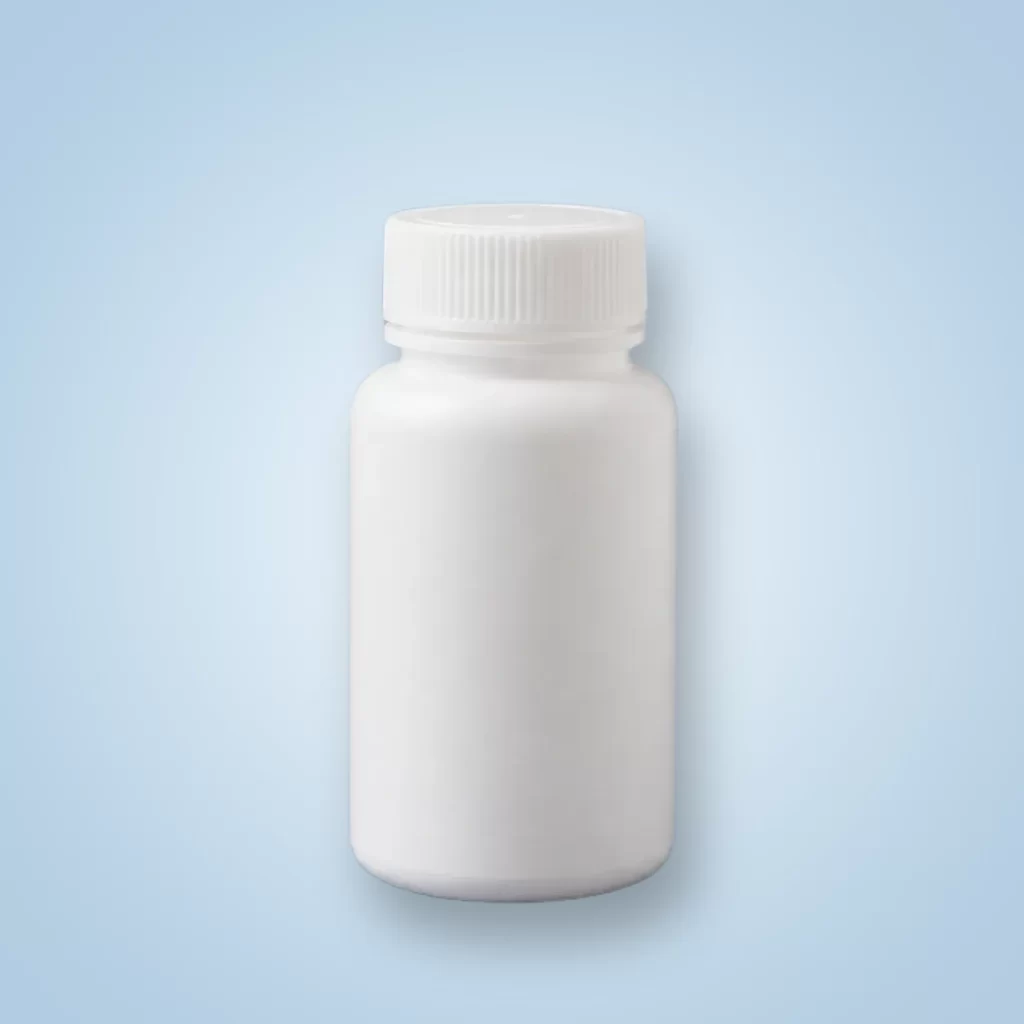
A PTFE vial is a molded or machined fluoropolymer container, typically 1 mL to 120 mL, with a matched PTFE-threaded or push-fit cap. It wins where glass fails: hydrofluoric acid digestion, strongly basic solutions that etch borosilicate, and trace-metal work where even 1 ppb of leached Na or B falsifies the calibration. It also wins where polypropylene fails: organic solvents, high-temperature baths, and cryogenic storage where PP turns brittle or slowly leaches additives into the sample. The analytical-vial industry’s own rule is that vials must be inert and free of extractables or leachables, as Sigma-Aldrich’s analytical vial guidance states—the single most important reason to choose a virgin PTFE body.
Certified Vials: What the Chromatography Makers Test For
Premium autosampler vials are cleaned and lot-certified by LC/MS and GC/MS: low background particulates, ultra-low-bleed septa, and consistent vial-to-vial adsorption, per the Thermo Scientific MS-certified vial program. pH-controlled LC-MS vials minimize leaching of Na and metal ions and reduce adsorption of polar bases, as the Waters certified sample-vial range documents; the companion Waters LC/GC certified-vial white paper lays out the septum-matrix compatibility table that any PTFE-vial spec should mirror. For trace-metal and long-term standard storage, the industry has moved to PTFE-lined caps on inert bodies, because borosilicate alone contributes 1–10 ppb B, Al and Na, as the trace-metal vial comparison summarizes.
Specifying a Custom PTFE Vial
Send the drawing with nominal volume, ID/OD, wall thickness (usually 1.5–3 mm for molded, 2–4 mm for machined), thread or push-fit geometry, and required temperature. Critical details: a wide, square shoulder for autosampler gripper fit, a flat base for hot-plate contact, and virgin unfilled PTFE—filled grades can shed glass or carbon particles into trace samples. Pair the vial with matched PTFE vial caps, add PTFE cap gaskets for a positive seal on pressure or transport duty, and build out the same labware set with PTFE beakers and PTFE bottles so the whole sample-handling path shares one material and one leachables profile.
Applications: HF, ICP-MS, PFAS and Reagent Storage
Four labs drive PTFE-vial demand. HF acid digestion and ICP-MS trace-metal analysis require the zero-glass, zero-metal contact of PTFE. PFAS and ultra-trace organic methods need low-bleach, low-background containers that won’t shed fluorosurfactants or plasticizers, as the Thermo PFAS-testing consumables guidance outlines. Pharmaceutical and GMP reagent storage needs batch traceability and extractables reports. And cryogenic / cold-room standard storage needs a vial that flexes rather than cracks at -80 °C. Across all four, PTFE’s non-stick surface lets samples rinse out cleanly, so carryover between standards stays near zero. For specialty cases such as isotope-dilution spikes or nuclear-grade reagents, specify virgin PTFE machined from annealed billet rather than molded, to eliminate weld lines that can trap analyte.
Quality Checks Before You Accept the Lot
Ask for a virgin-material mill certificate, an extractables/leachables report on a representative lot, and dimensional checks on thread fit and flat base. Confirm the cap threads mate with your autosampler gripper and septa configuration. For regulated labs, request lot numbers and a cleaning certificate, and ask whether the vials have been pre-rinsed in ultrapure water and double-bagged to keep particulate counts off the rack. Brands A, B and C all sell “PTFE vials”; the one that ships the leachables report and the lot traceability is the one that survives an audit.
Frequently Asked Questions
What sizes of PTFE vials can you supply?
We custom-make PTFE vials from roughly 1 mL to 120 mL, with screw-thread or push-fit necks, in cylindrical or rectangular body forms to fit your rack or autosampler.
Are PTFE vials compatible with hydrofluoric acid and ICP-MS work?
Yes. Virgin PTFE is inert to HF and virtually all acids, bases and solvents across pH 0–14, making it a standard choice for trace-metal digestion and ICP-MS sample storage where glass would shed B, Na and Al.
What temperature range do PTFE vials handle?
Virgin PTFE vials serve from about -200 °C (cryogenic storage) to +260 °C continuous, withstanding hot-plate heating and autoclave-style cycles when capped correctly.
Do you supply matching caps and septa?
Yes. We supply matched PTFE screw caps and PTFE gaskets; for autosampler use we can also configure PTFE-lined silicone septa to your thread and OD.
Can you supply colored, labeled or logo-branded vials?
We can tint virgin PTFE for amber-style light protection and add permanent laser marking or pad-printed lot codes for GMP and traceability workflows.
What is the MOQ and lead time?
Trial orders typically start at 50–100 pieces; machined or molded custom vials ship in 10–20 days, with first-article samples and leachables reports approved before production.
Disclaimer
This article is provided for general informational purposes only and reflects typical industry ranges as of the publication date. It is not engineering, safety, clinical or regulatory advice. Vials for pressure-boundary, hazardous, medical or regulated service must be validated by the user against the actual sample, closure, temperature and pressure conditions. Always follow the instrument manufacturer’s guidance on vial and septum compatibility. Competitor references (brands A, B and C) are anonymized for comparison. Consult the cited chromatography and labware manufacturers for authoritative product specifications.